Correction of Protruding Ears
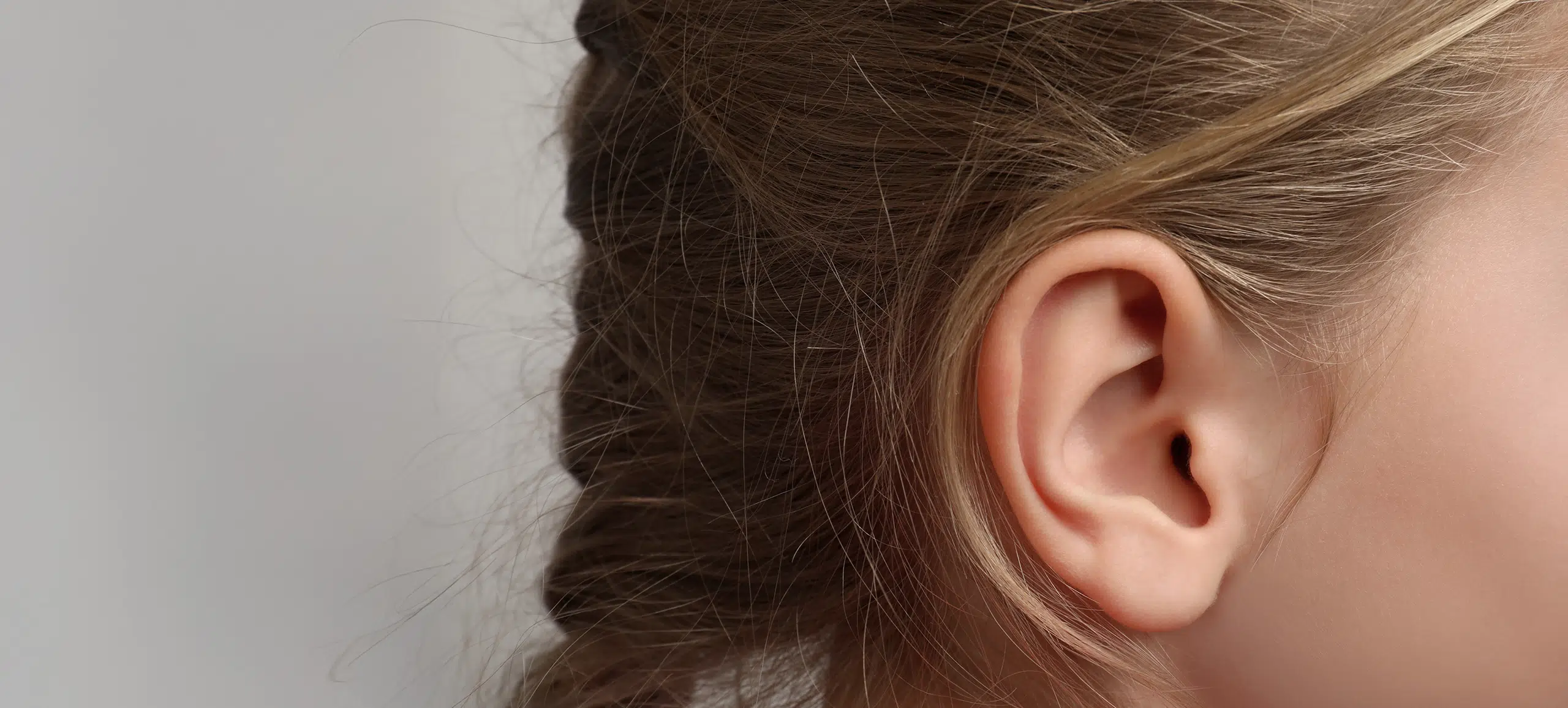
The correction of protruding ears is called otoplasty. It aims to correct defects that bother the child and are often a source of teasing at school. This procedure has been developed since the 1920s, through many techniques of varying success. Today, we have sufficient experience to rely on effective techniques with a low risk of complications.
Resume
Duration
30 minutes to 1 hour
Hospital stay
Outpatient
Anesthesia
General or local depending on age
Social downtime
5 to 10 days
Time off work
5 to 10 days
Scars
Concealed behind the ear
Resume
Ready to book an appointment?
General information
Surgery for protruding ears is one of the most commonly performed aesthetic procedures, particularly in young children affected by this malformation. Beyond the aesthetic aspect, protruding ears can significantly impact self confidence, often worsened by teasing at school. Pediatric otoplasty helps restore a natural and harmonious shape to the ears.
Correction of protruding ears can be performed once ear growth is complete, usually around the age of 7 years. This is also the age when children begin to request treatment themselves, and there is no benefit in waiting, as scars may heal less favorably during adolescence.
The ideal age is generally between 7 and 9 years. Early intervention maximizes the chances of success while limiting the risk of dissatisfaction. The earlier this pediatric surgery is performed, the more natural the aesthetic results.
Results
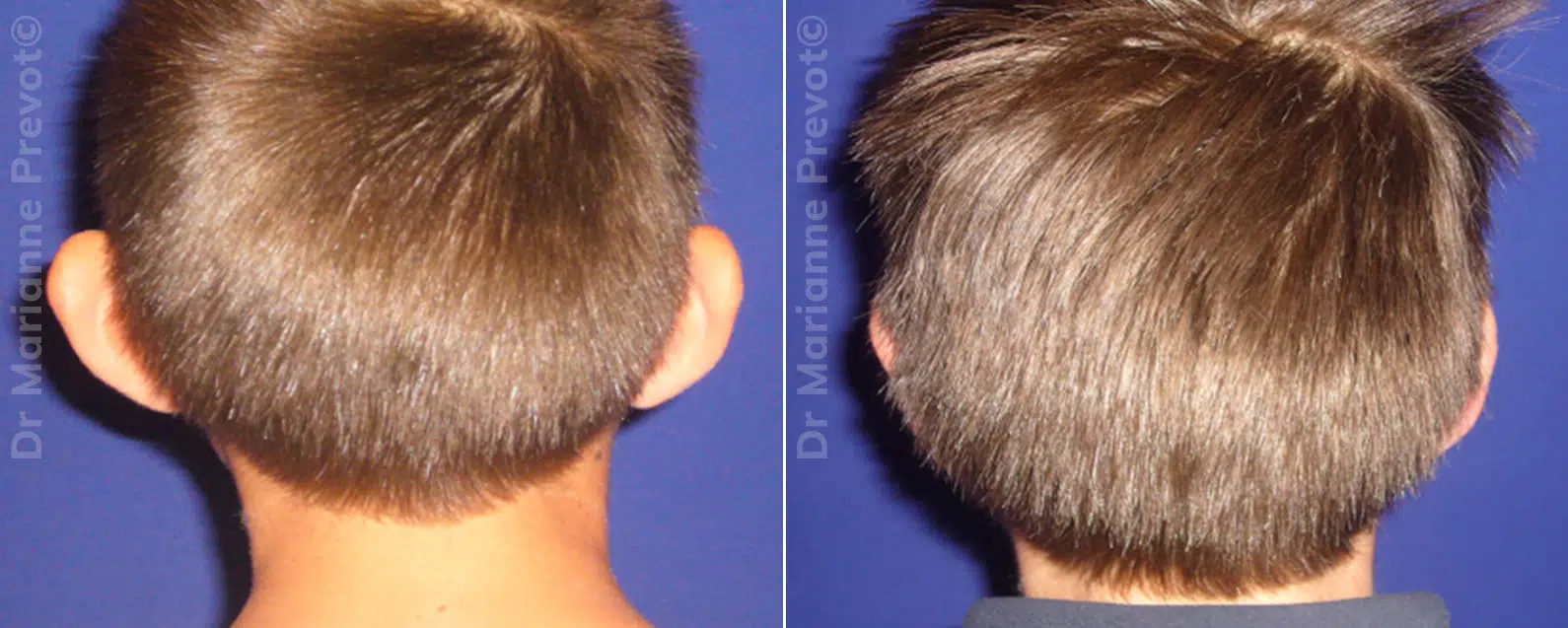
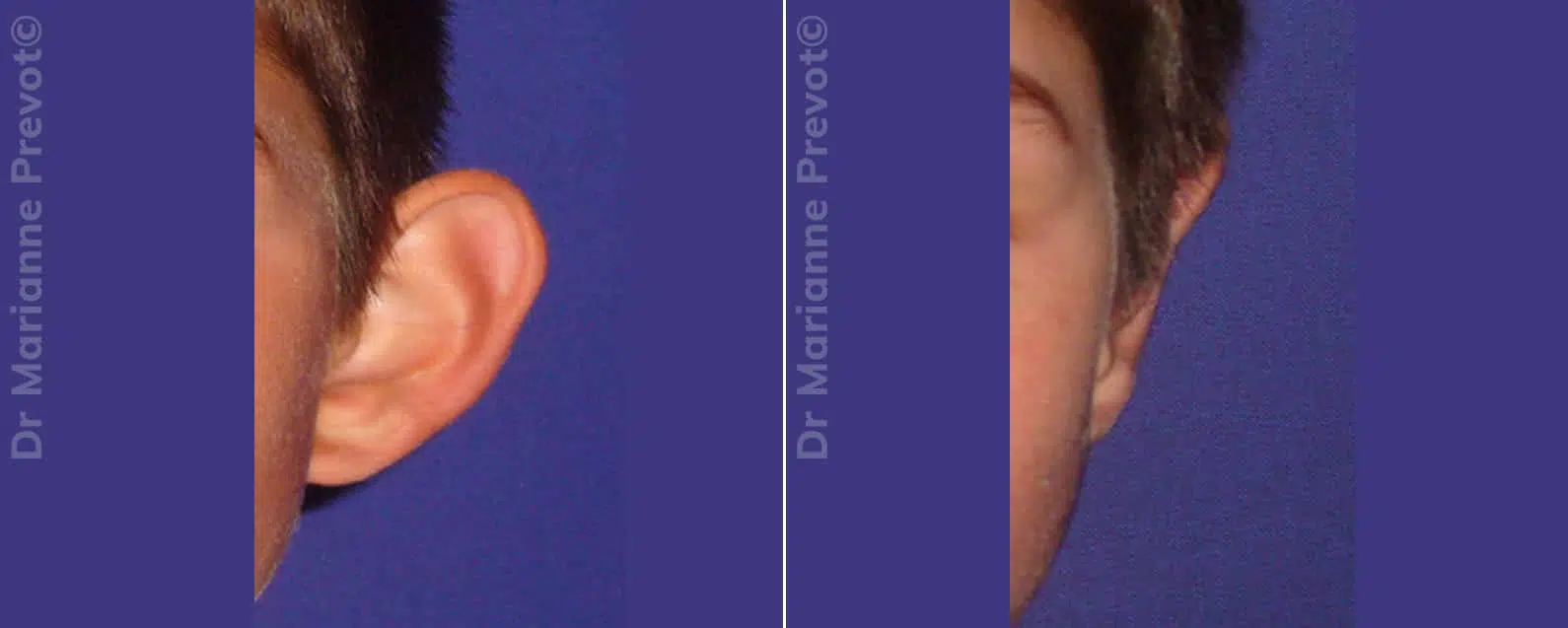
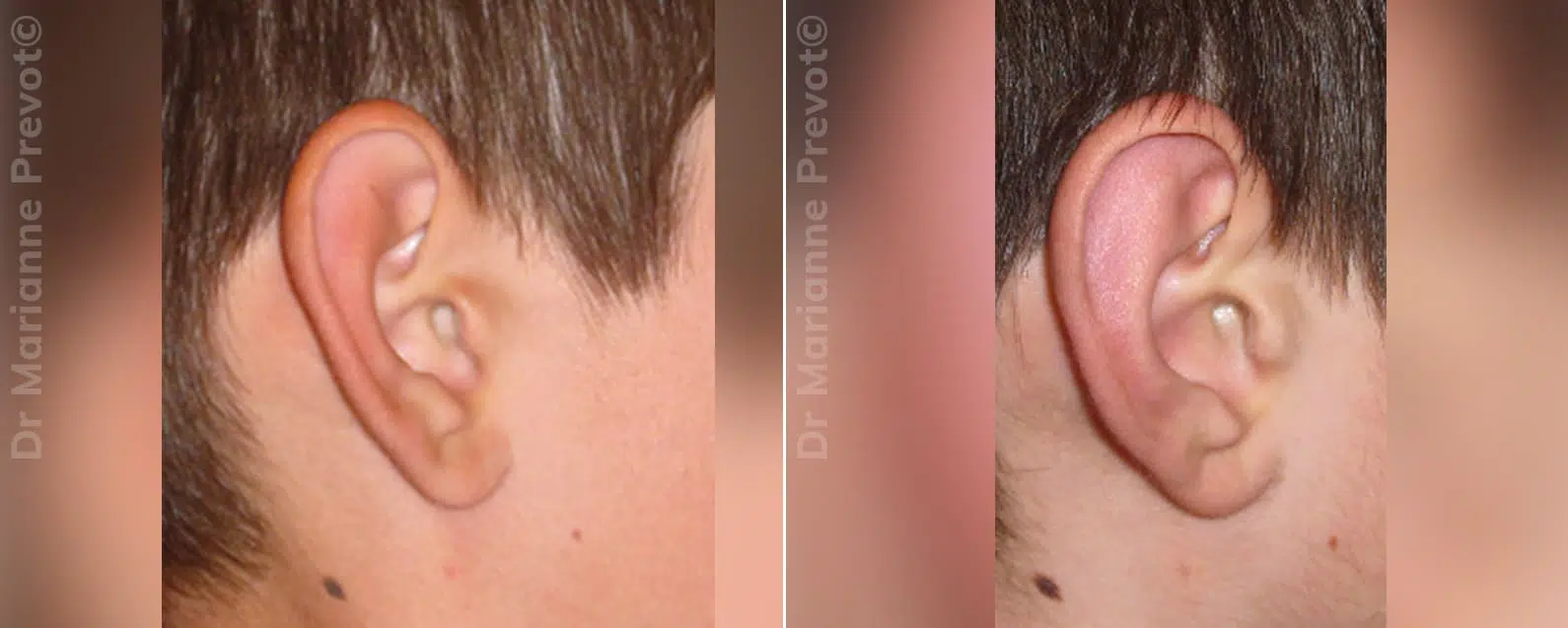
The result of pediatric otoplasty is visible immediately after surgery, despite mild redness and swelling of the ears. These temporary effects are normal and part of the healing process. About one week after the procedure, the appearance of the ears improves significantly, with swelling gradually subsiding and the ears taking on a more natural shape.
Several months are required for the final result to fully stabilize. During this time, the tissues and cartilage continue to remodel, allowing the ears to reach their definitive shape. The scars, discreet and located in the fold behind the ear, become almost invisible over time.
Indications
Several types of malformations exist, but the most common combines an excessively open angle between the ear and the skull with an absence of natural folding of the auricle, particularly the helix. Depending on the nature of the defect, different techniques may be used.
When the problem is limited to a folding defect, the EarFold technique may be proposed. This method involves inserting a small implant under the skin to maintain the cartilage fold, providing a quick and effective result without traditional surgery for protruding ears. Most often, however, a more classical approach is preferred in order to reposition and remodel the cartilage in a durable way.
Make an appointement
If you wish to benefit from a personalised consultation with Dr Marianne Prevot.

Technique
Pediatric otoplasty consists of :
- Reshaping the ear cartilage to reduce the angle between the ear and the skull
- Recreating the natural fold of the ear, with well defined and rounded contours
I use a suture free cartilage technique based on reshaping the cartilage through an incision hidden in the fold behind the ear. This method generally provides a perfectly natural result without complications. The main goal is to reposition the ear so that it blends harmoniously with the face, while keeping the scar as discreet as possible.
Procedure
The procedure is performed at the Grangettes Clinic under light and brief general anesthesia. Pure local anesthesia is possible from the age of 7, but based on experience (a personal series of 60 children aged 7 to 8 operated on under local anesthesia between 2000 and 2002), all retained a very unpleasant memory of the procedure. The operation usually lasts between 30 minutes and one hour.
After surgery, a molded dressing known as an “Easter egg” dressing is applied to keep the ears in position during the first day. From the following day, a simple sports headband can be worn to support the operated area and prevent deformation. Discharge takes place the same day, allowing a quick recovery at home.
Postoperative care
Postoperative recovery is painless. After correction of protruding ears, children can resume normal activities quickly. The initial bulky dressing is removed at the office the day after surgery and replaced with a sports headband, worn for up to three weeks, depending on the child.
This period allows proper healing and ensures uncomplicated scar formation. Regular follow up appointments are scheduled to monitor the progress of healing.
The final result is achieved after about three months, and the ears are then as strong as before. The scar behind the ear may continue to evolve for up to 18 months.
DR marianne prevot
Dr Marianne prevot is a plastic surgeon in Geneva specializing in aesthetic reconstructive pediatric and dermatologic surgery. With more than 20 years of experience she combines medical expertise scientific commitment and a human centered approach.
Her practice is based on harmony between body and mind with an ethical and balanced vision of surgery.