Rhinoplasty
Rhinoplasty, also known as nose surgery, is an aesthetic and reconstructive procedure designed to improve both the appearance and the function of the nose. Whether to correct congenital anomalies, deformities caused by trauma, or purely aesthetic concerns, this surgical procedure reshapes the nose by modifying its bone and cartilage structures. In addition to enhancing facial harmony, rhinoplasty can also help resolve breathing difficulties by correcting deviations of the nasal septum. Discover the techniques and fees offered by Doctor Prevot.
Summary
Duration
1 hour 30 to 2 hours
Hospital stay
Outpatient or 1 night
Anesthesia
General
Social downtime
10 to 15 days
Time off work
Around 10 days
Scars
Invisible or discreet
Summary
- General information
- Indications for rhinoplasty
- Rhinoplasty techniques
- Procedure of aesthetic nose surgery
- Postoperative recovery after rhinoplasty
- Postoperative follow up
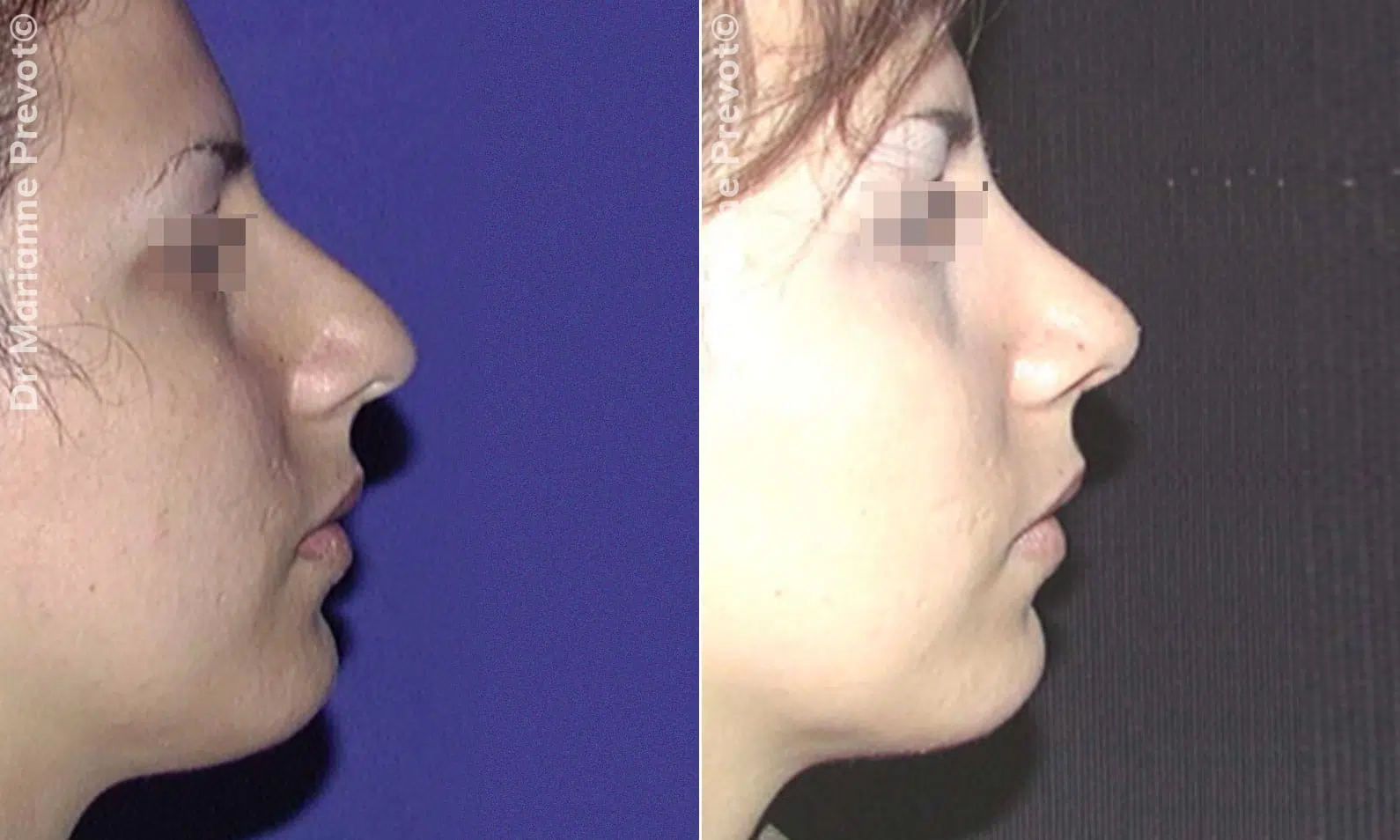
- Results of aesthetic nose surgery
- Possible complications
- Rhinoplasty pricing
- Different types of rhinoplasty
- FAQ : Frequently asked questions about rhinoplasty
General information
Since rhinoplasty became widespread at the beginning of the 20th century, techniques have evolved considerably. Simple hump removal or reduction rhinoplasty gave way in the 1960s to the trend of small upturned noses, with results that were sometimes disappointing. Since the early 2000s, a clear return to natural looking results has emerged, and some iconic figures even display a slight hump or a longer nose.
Despite this, the American model often dominates : small nose, full lips, sometimes at the expense of personal identity.
In my daily practice, I guide my patients toward a natural and personalized approach, respectful of their facial features.
Indications for rhinoplasty
A disproportionate nose, too large or too long, that seems to dominate the face, can give character but may also be difficult to live with. In such cases, surgery can be beneficial. Increasingly, I also operate on patients who underwent rhinoplasty many years ago and suffer from residual defects.
The development of minimally invasive techniques now makes it possible to treat minor imperfections that would not previously have justified major surgery. More significant modifications are preferably performed before the age of thirty.
Make an appointement
If you wish to benefit from a personalised consultation with Dr Marianne Prevot.

Rhinoplasty techniques
Two techniques are possible : invasive surgery and minimally invasive surgery.
Invasive surgery is performed under general anesthesia in the operating room. It is comfortable and allows for almost all types of modifications. It also enables improvement of breathing during the same procedure and reshaping of the nasal structures. The result is definitive.
Minimally invasive surgery is performed in a surgical office under local anesthesia. It allows for small adjustments such as treating a minor hump or lifting the nasal tip. The result is immediate but requires maintenance.
Procedure of aesthetic nose surgery
Once the surgical plan has been clearly defined after at least two consultations, definitive rhinoplasty can be performed. The clinic stay varies between 6 and 36 hours depending on the case. The procedure may be carried out using an open or closed technique and leaves no truly visible scars. Wearing a splint and the presence of bruising around the eyes usually last about ten days.
The minimally invasive technique involves injections of hyaluronic acid combined with the placement of threads, without any scars. A shaping dressing is applied for around ten days. There is no bruising.
From the first preoperative drawing to skin closure, every step is carried out with rigor and precision.
Postoperative recovery after rhinoplasty
After surgery, depending on the type of rhinoplasty performed, patients may experience swelling that resolves spontaneously within a few weeks. To support healing, it is recommended to keep the head slightly elevated, especially during sleep, and to apply ice to bruised areas.
For invasive surgery, a social and professional downtime of around ten days is recommended. Wearing glasses is also contraindicated for approximately three months.
For minimally invasive procedures, no downtime is required.
In all cases, the surgeon will explain postoperative care, such as frequent nasal rinsing to remove crusts as quickly as possible.
Postoperative follow up
To ensure proper healing and outcome, postoperative follow up appointments are scheduled.
A first visit takes place one week to ten days after surgery, followed by additional consultations at one, three, and six months.
These regular appointments allow the surgeon to remove the splint if necessary, monitor swelling reduction, and ensure proper healing of the nose.
Results of aesthetic nose surgery
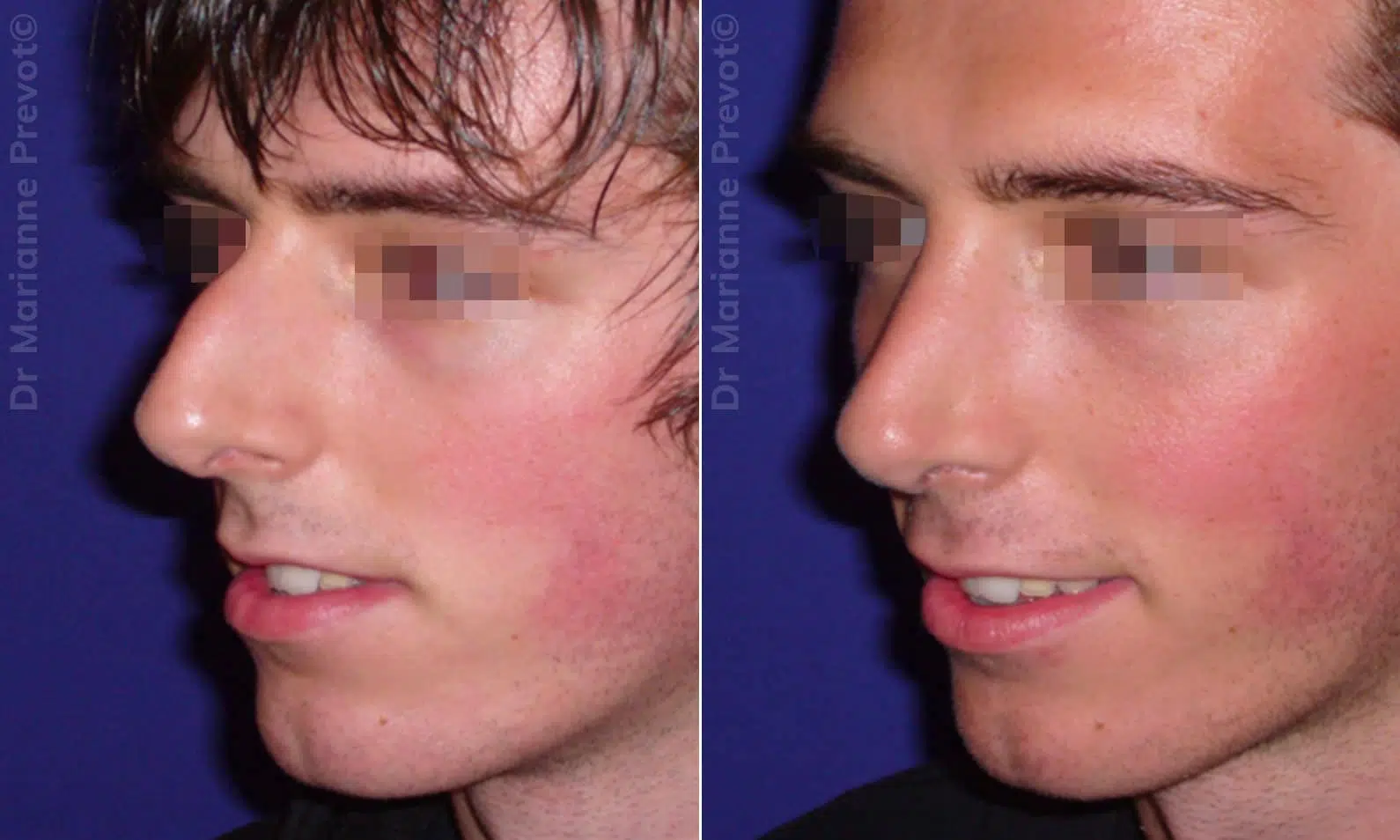
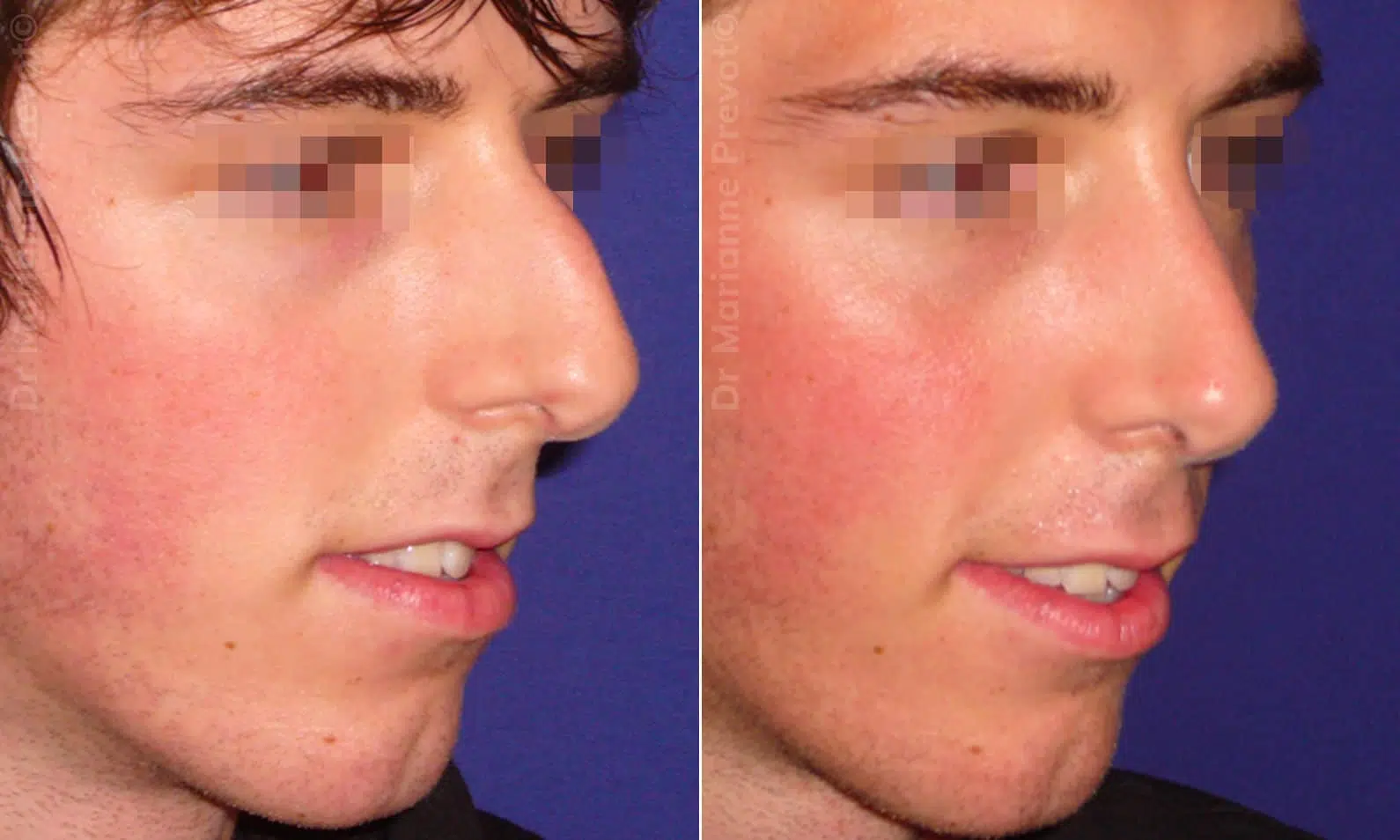
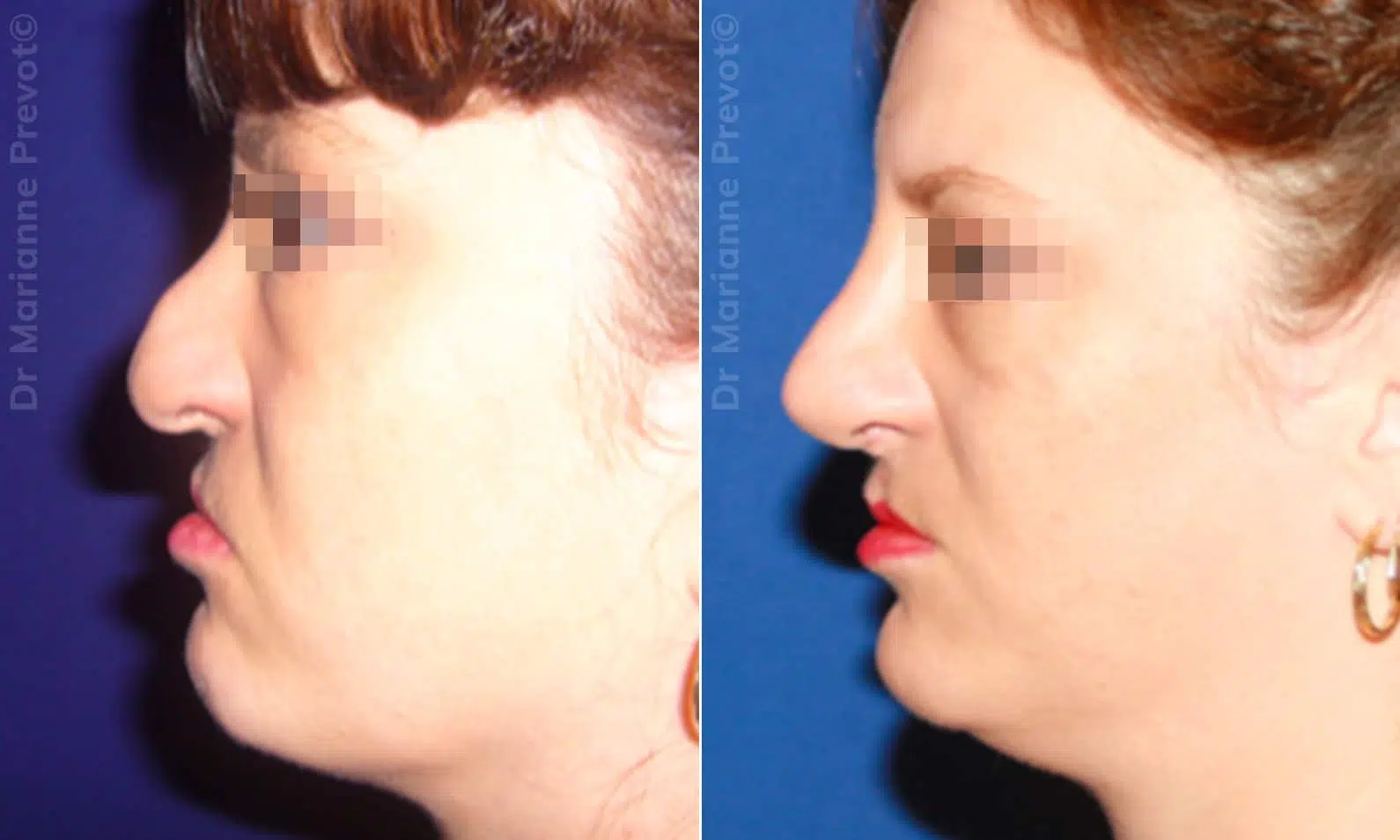
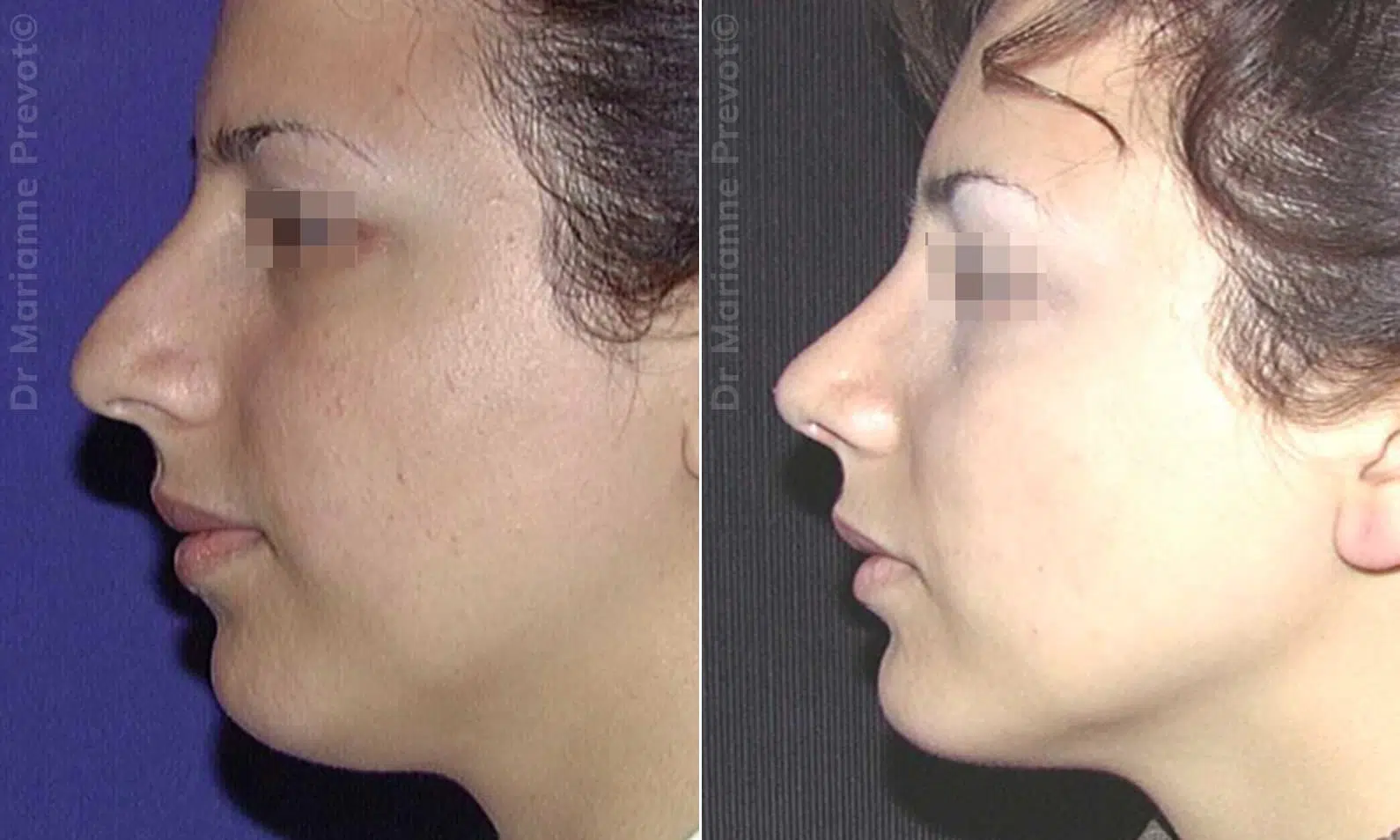
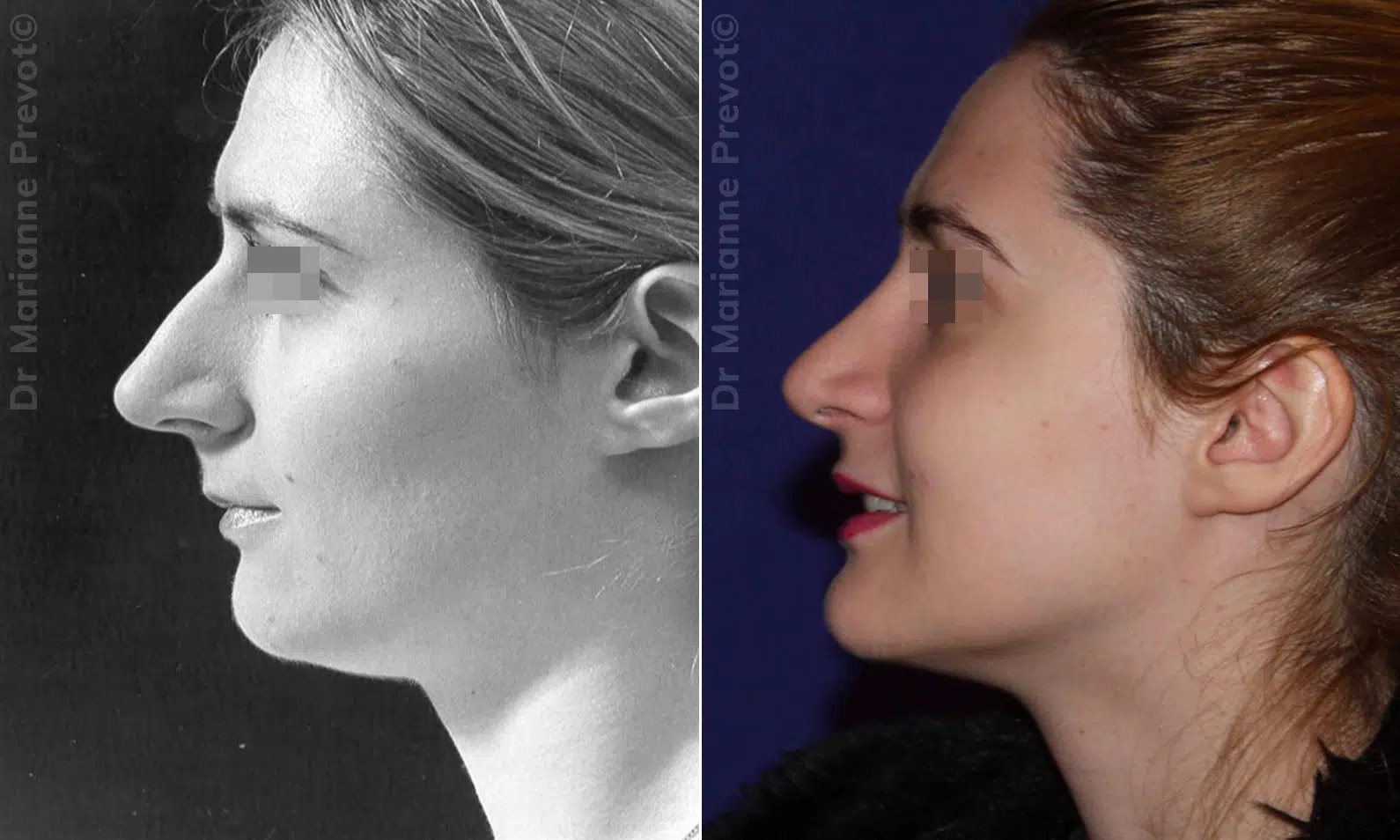
After surgery, some time is needed for bruising and swelling to disappear before results can be fully appreciated. Initial results are generally visible between three and six months, but the final appearance is only achieved between six months and one year after the procedure.
Possible complications
Even when well performed, rhinoplasty remains a surgical procedure and may involve certain complications.
- Infection. In rare cases, around 3 percent of patients, scars may become infected if postoperative care instructions are not followed.
- Contour irregularities. It is common and normal to feel the underlying bone and cartilage structure. If visible irregularities persist, a corrective procedure may be considered.
- Nasal asymmetry. Often pre existing, asymmetry may appear or persist during healing as tissues evolve in the months following surgery.
- Insufficient results. It is possible that results may not meet patient expectations. Keep in mind that final results are not visible before one year. If dissatisfaction persists, a surgical revision can be considered.
Rhinoplasty pricing
What is the cost?
Due to the need to modify nasal structures, rhinoplasty is undoubtedly one of the most delicate aesthetic procedures. By correcting a nose perceived as too long, wide, deviated, or narrow, the entire face regains natural harmony. It is therefore essential to entrust this area of the face to highly specialized hands.
A personalized quote will be provided by Doctor Prevot at the end of your first consultation.
Is rhinoplasty covered by health insurance?
Rhinoplasty is generally considered an aesthetic procedure and is therefore not covered.
However, in the case of reconstructive surgery, following trauma or due to breathing difficulties, health insurance may reimburse up to 80 percent of the conventional rate.
Different types of rhinoplasty
Functional rhinoplasty
Functional rhinoplasty is a surgical procedure that corrects a deviated septum. Depending on the need, the procedure can also improve the nose’s appearance; this is called aesthetic and functional rhinoplasty. This operation is indicated in several cases.
- Blocked nose
- Chronic snoring
- Broken nose
- Deviated nose causing breathing problems
Aesthetic rhinoplasty
Aesthetic rhinoplasty aims to enhance the appearance of the nose by improving or eliminating most existing imperfections. It is currently the most complex form of nose surgery.
Conservative rhinoplasty
Conservative rhinoplasty reshapes the nose while preserving bone and cartilage structures. It spares ligaments and the cartilages of the nasal tip and bridge.
Structural rhinoplasty
Structural rhinoplasty modifies the anatomical shape of the nose while preserving respiratory function. It reinforces cartilage and bone architecture to rebalance and harmonize the nose.
Medical rhinoplasty
Medical rhinoplasty, also known as non surgical rhinoplasty, is a temporary solution, lasting between 6 and 18 months, to reshape and enhance the nose without surgery. I use hyaluronic acid gel to correct minor imperfections such as a slight deviation, a small bump, or a scar from a broken nose.
FAQ : Frequently asked questions about rhinoplasty
Complete healing may take up to one year, although most patients resume normal activities after 1 to 2 weeks. Bruising and swelling are common for 2 to 3 weeks post surgery. Doctor Prevot will explain everything during the first consultation.
Although rhinoplasty is generally safe, risks include bleeding, infection, reactions to anesthesia, or aesthetic dissatisfaction that may require secondary rhinoplasty.
Patients may experience discomfort, swelling, or mild pain in the days following the procedure, but these symptoms are usually well controlled with prescribed pain medication by Doctor Prevot.
It is essential to choose a board certified plastic surgeon with significant experience in rhinoplasty and to review before and after results to ensure expertise.
The main non surgical alternative is hyaluronic acid injections to temporarily modify the shape of the nose. Doctor Prevot can suggest this option during your first consultation, depending on your needs and expectations.
DR marianne prevot
Dr Marianne prevot is a plastic surgeon in Geneva specializing in aesthetic reconstructive pediatric and dermatologic surgery. With more than 20 years of experience she combines medical expertise scientific commitment and a human centered approach.
Her practice is based on harmony between body and mind with an ethical and balanced vision of surgery.